
Facilities
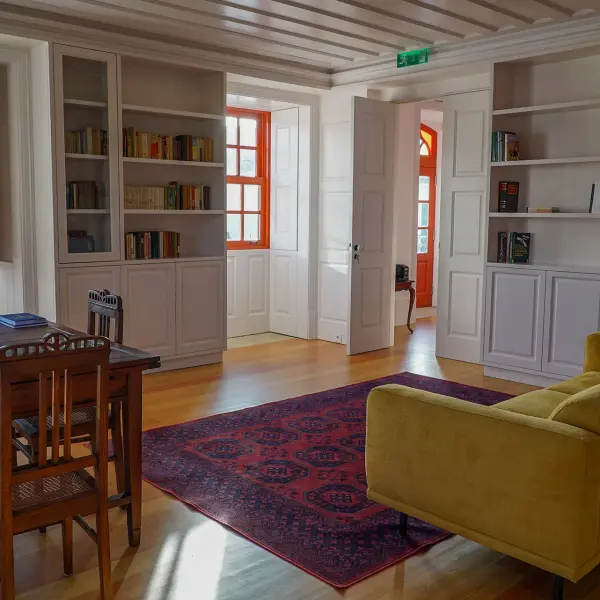
Library
A cosy library, a peaceful space with a varied collection for all lovers of reading.
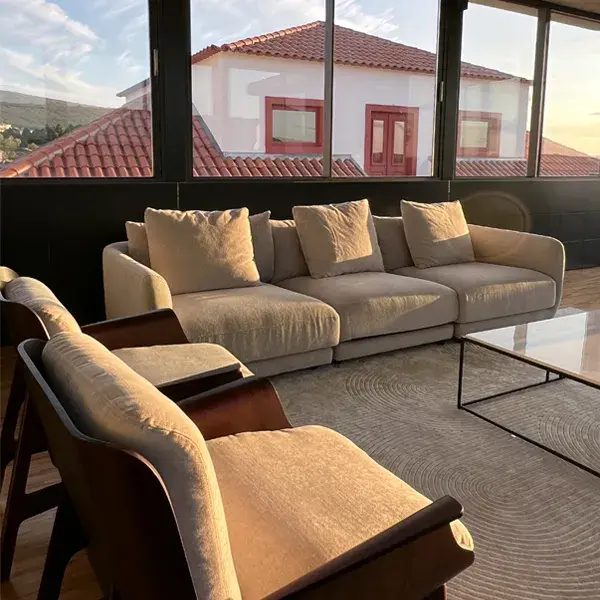
Spot
Multifunctional space with stunning views, perfect for summer evenings under the stars and summer evenings under the stars and moments of recollection or conviviality in winter.
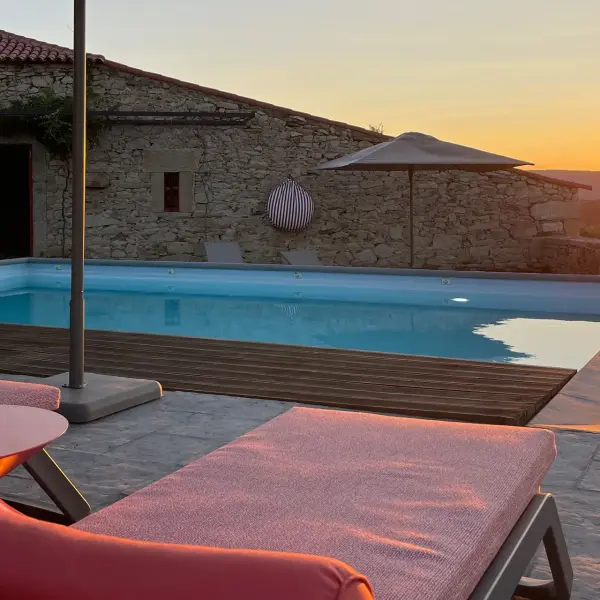
Pool
Swimming pool with modern design and stunning views of the mountains. The perfect place to relax and enjoy nature.
Olive oil Press
Venerable Heritage: Revealing the tradition of the olive oil production process with devotion and authenticity.
The old olive oil mill, with its ox-driven millstones, due to the slowness and effort they required, as well as their low productivity, gave way in 1958 to the current mechanised mill. At the time, this measure was important because it served not only the Casa, but also the people of Larinho, who could make their own olive oil there, and of which they have fond memories today. "While the oil was being made, we would come here to eat some olive oil and garlic toast, eat some cod or octopus, roasted in the oven, and drink a glass of the new wine. We'd bring friends and family here to socialise. Good times!".
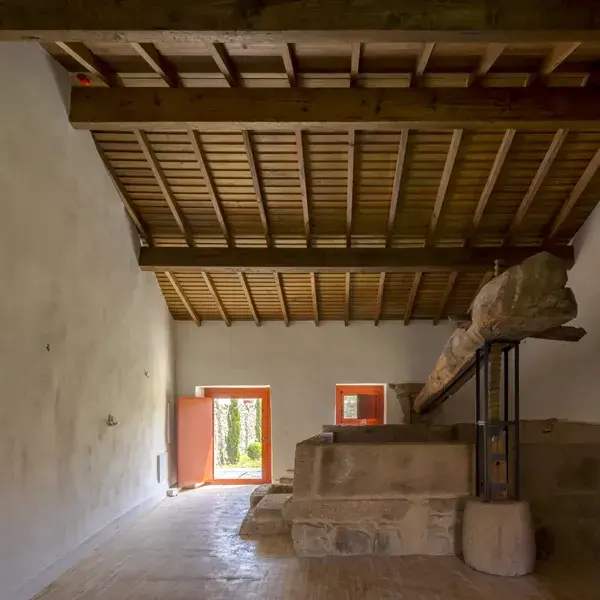
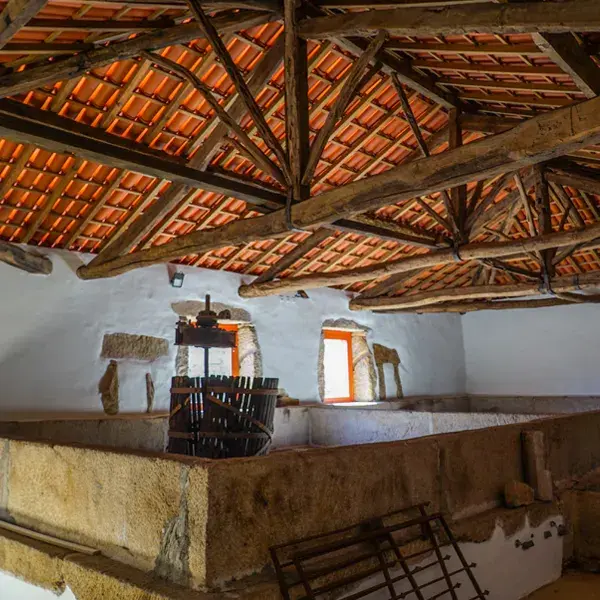
Wine Press
Winemaking Legacy: Exposure to the historical secrets behind the production of award-winning wines with meticulous attention.
This old but modern and spacious facility for its time has been properly preserved. It has two huge stone tanks, one for making white wine and the other for red wine. The old oak barrels and the alembic still for making brandy have been preserved so that memories don't get lost, and above all it is a space that allows you to travel back in time. The processing of the grapes, which took place at the end of September and lasted for the first two weeks or so of October, was all done by hand: the bunches were transported to the vats on ox carts and unloaded into the tanks by the sturdy arms of a few workers. Then there was the treading, also done by several men who crushed the grapes for hours, often at the end of the day and well into the night. And to animate this movement, the men would play games - goat-blindfold, for example - or the musical sounds of the realejo would mark the rhythm of the treading. It was hard work, compensated for by the pleasure of savouring this valuable nectar.
