Walking through time
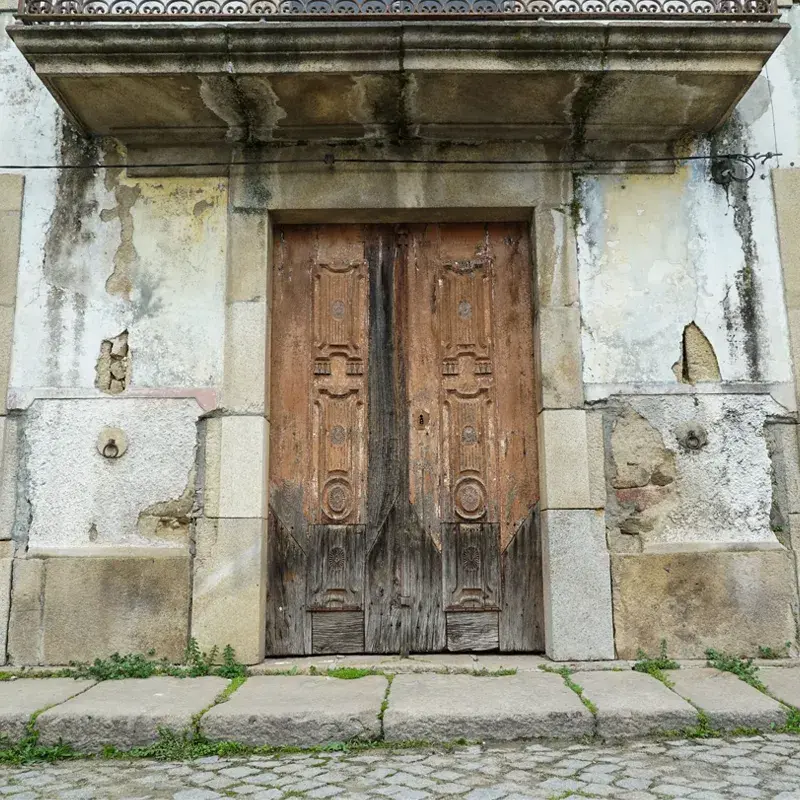
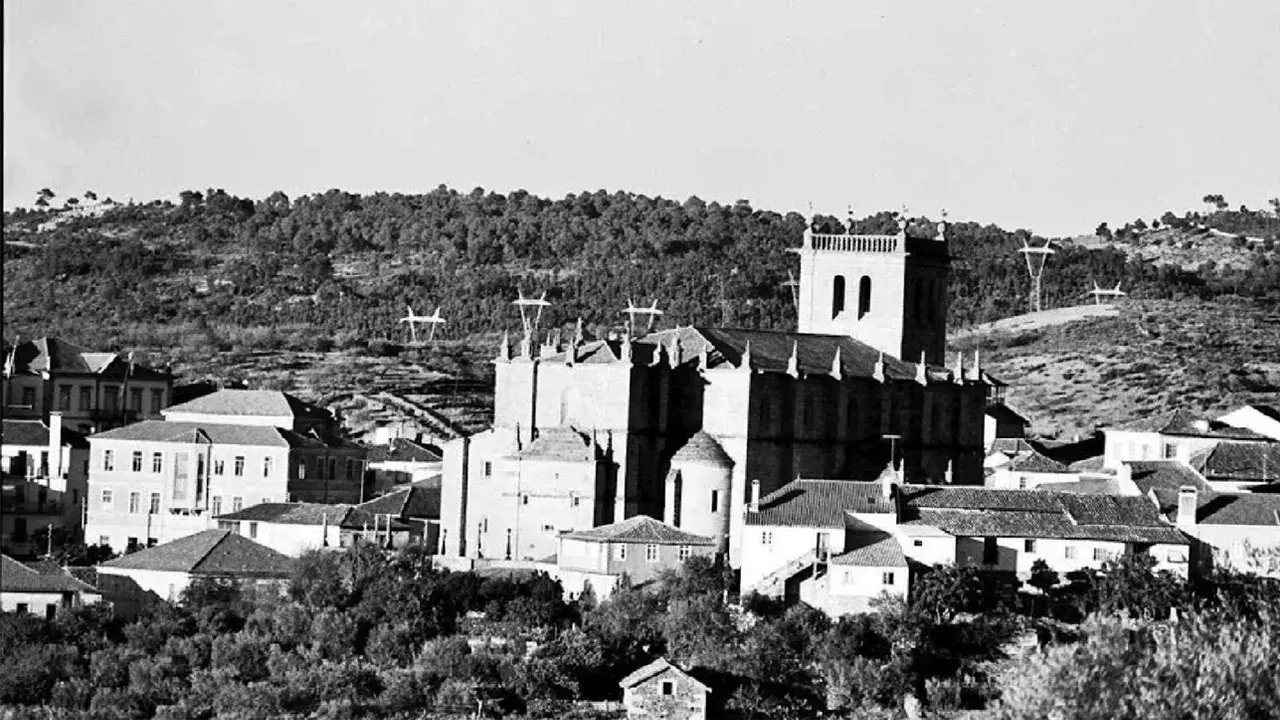
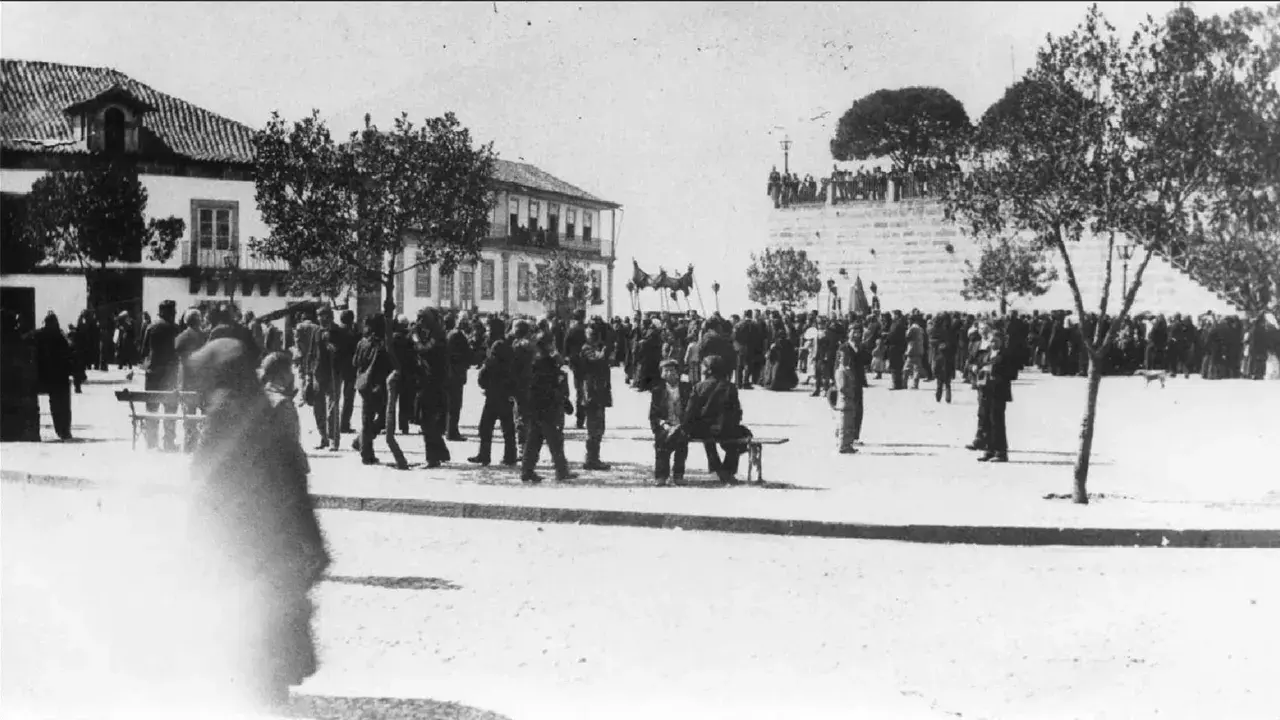
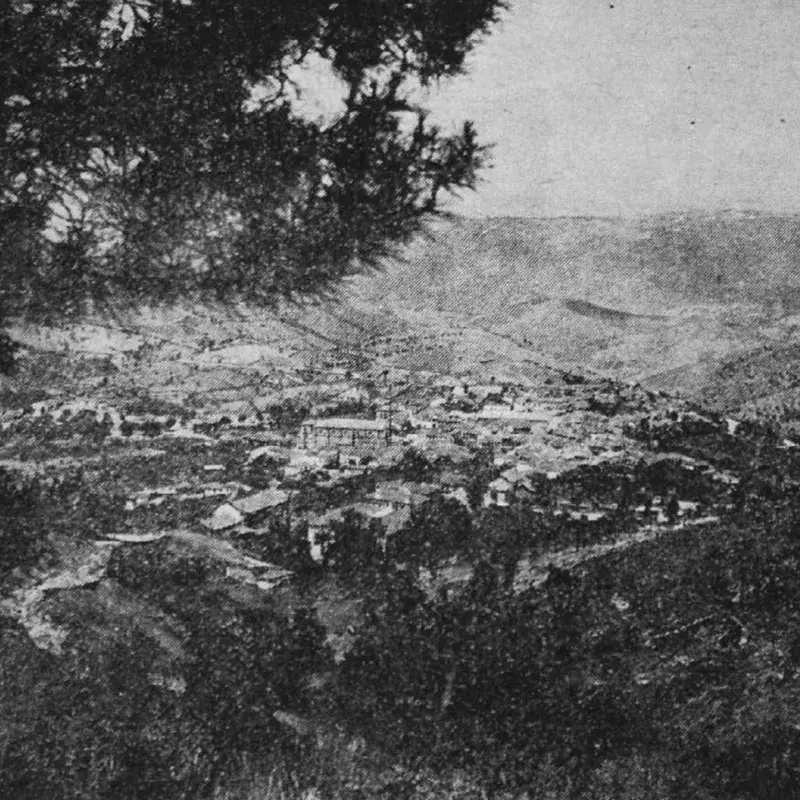
Anyone who goes to Larinho and walks through its streets will come across a large house in Largo Dr. Ramiro Salgado, known to its inhabitants as Casa Grande, or Dr Ramiro Salgado's House.
To write about this house, which is around 180 years old, is to talk about the man who founded it, Joaquim Inácio Cordeiro, a highly successful businessman who was born in the town, but also about those who lived there and the several generations of workers who passed through and contributed to its growth and prosperity. We pay our sincere and grateful tribute to them all.
As a storekeeper, Joaquim Inácio also supplied shops in the parishes of the Moncorvo municipality. The main products traded were hides and skins, but also other items such as hardware, groceries and many others, which came from Oporto by boat across the River Douro. As a result of the business, he acquired numerous agricultural properties, becoming one of the largest landowners in the municipality of Moncorvo.
Four generations passed through this house: the founder, Joaquim Inácio; his son José Joaquim; his granddaughters Luísa and Constança; and finally, his great-granddaughter Maria da Conceição. It would be with the marriage of his great-granddaughter Maria da Conceição Cordeiro to Ramiro Xavier Salgado that it would take on a new impetus.
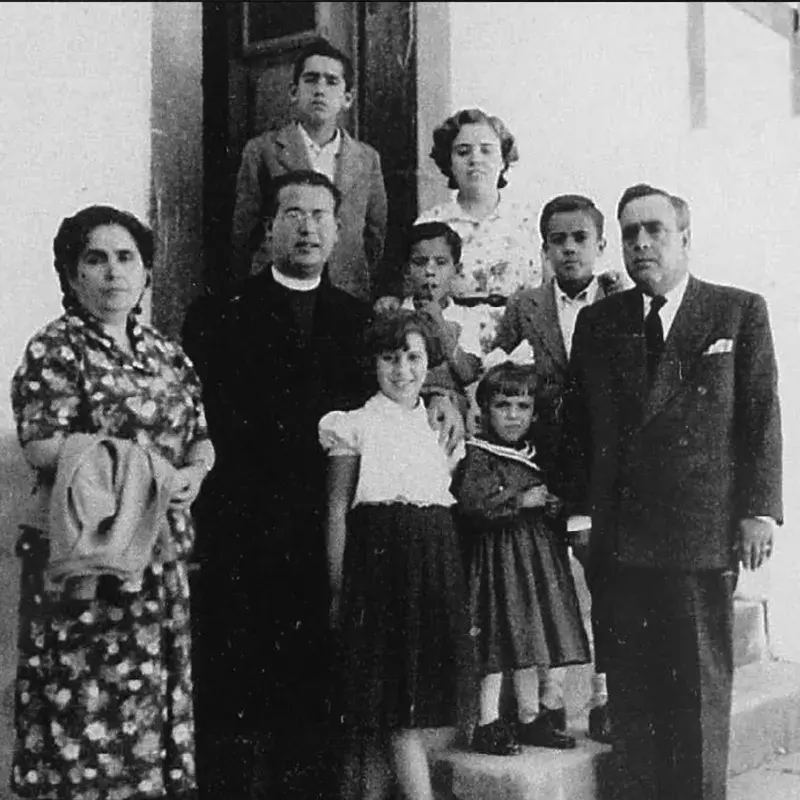
In addition to his work as a teacher and headmaster of the Campos Monteiro College in Moncorvo, Ramiro energised agricultural activity and renovated the olive oil and wine presses, contributing to the House's prosperity. The vast descendants of Maria da Conceição and Ramiro experienced unique experiences in this space, ranging from contact with nature and agricultural activities, which were linked to the processing of wine and olive oil in the mills of the house - also available to all the inhabitants of Larinho - to many other complementary activities, as well as watching or participating in customs and traditions.
Currently, refurbished, the Dr. Ramiro Salgado House respects the old spaces, with a touch of modernity and all the comforts. It retains the two wine presses, one of them very old, with a wooden press, and one for olive oil, and keeps traces of its past in order to turn it into a place of learning for those who visit or wish to stay here.
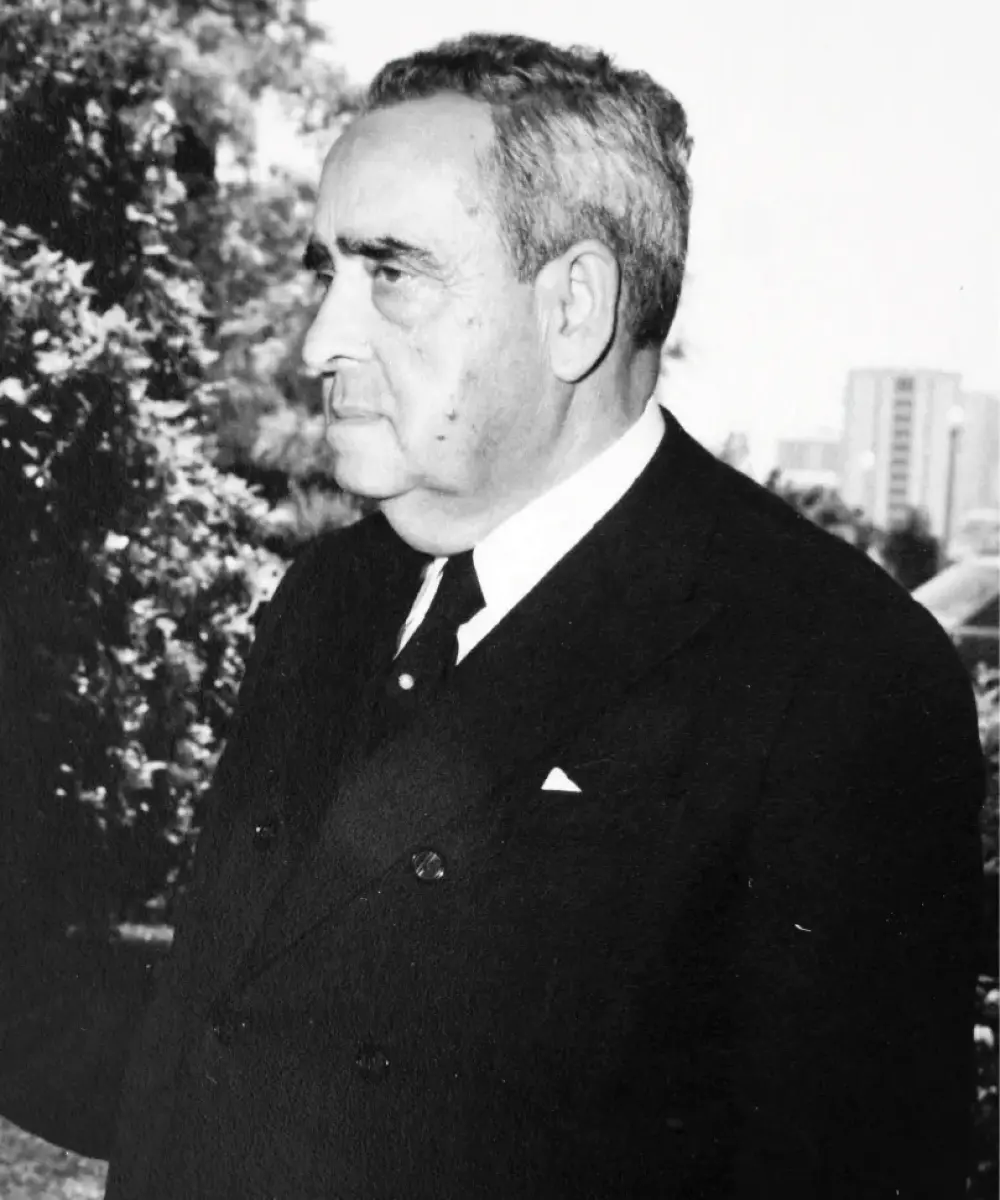
Dr. Ramiro Salgado
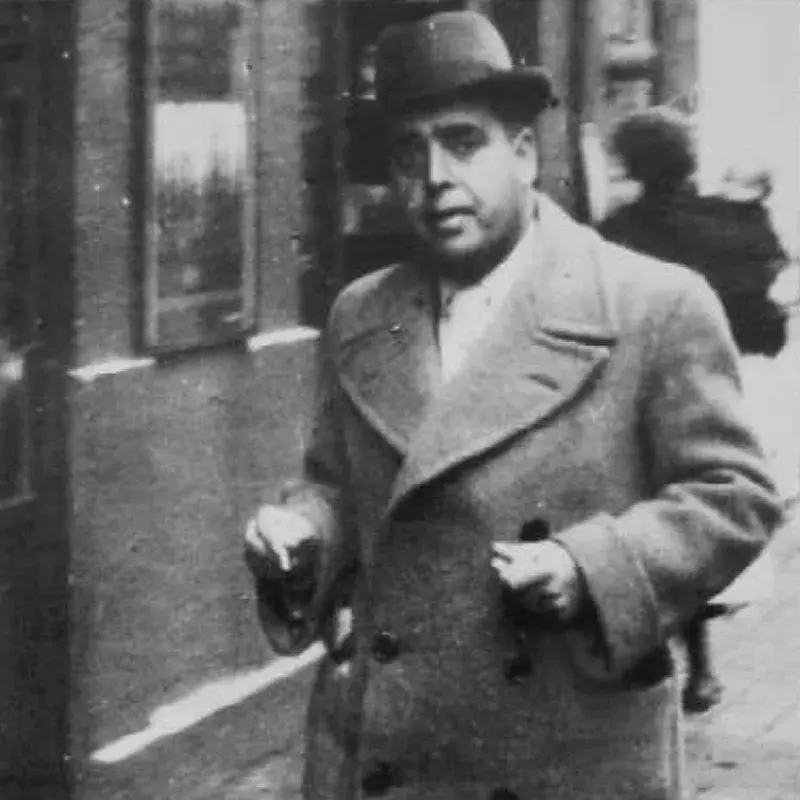
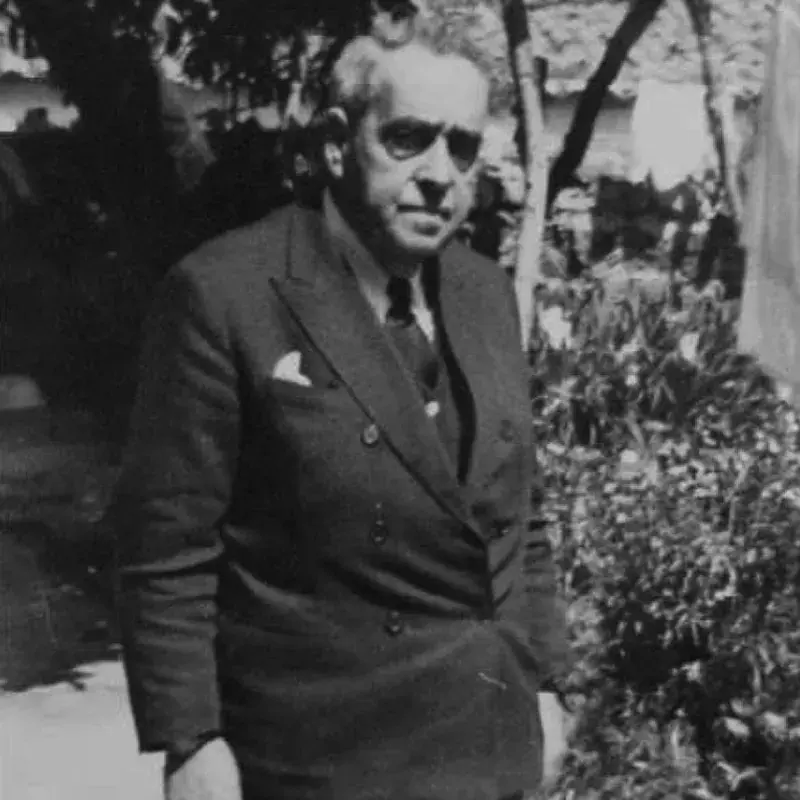
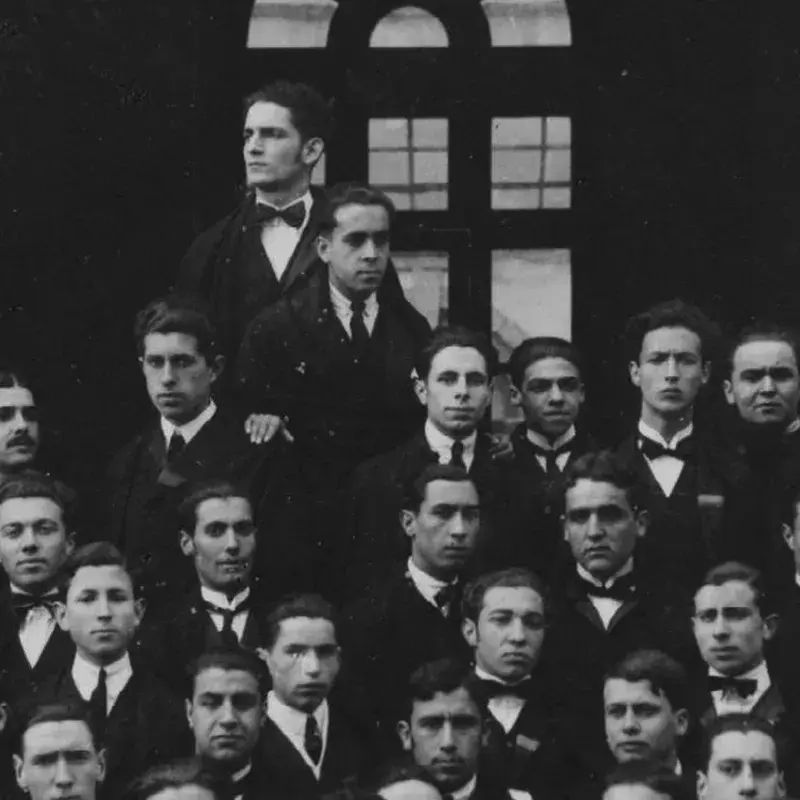
To speak of Dr. Ramiro Salgado is to speak of a man of culture, a humanist pedagogue who dedicated his entire life to the cause of education in the distant and forgotten lands of the north-east of Trás-os-Montes; who in 1936 left a promising career in Porto to settle in a provincial town where there were all kinds of shortages and where education for some young people was limited to primary school benches, where they could only read, write and count. Ramiro Xavier da Fonte Fernandes Salgado was born in Açoreira on 20 June 1902. After completing primary school in his hometown, he continued his studies at the Colleges of Lamego and Viseu, where he proved to be an exemplary student. He entered the University of Porto in 1920, where he studied Physical and Chemical Sciences, which he completed in 1928, after having served in the military for around twenty months.
As a university student he proved to be a brilliant student, an attentive, enthusiastic and active young man, taking part in cultural initiatives. He founded the Universidade newspaper, where he wrote scientific and literary articles and social and economic analyses, as well as taking part in gatherings. He was a member of the governing bodies of the Associação Académica and the Orfeão Académico do Porto. While still a student, he tutored students out of necessity, a fact that awakened his taste for teaching.
In 1926, when he married Maria da Conceição Cordeiro, a native of Larinho, he worked at the Serra do Pilar Observatory in Porto, which was attached to the Faculty of Sciences, where he ran the astronomical observation department and carried out scientific research.
From 1927 onwards, Ramiro Salgado's career path would be defined. Teaching would be his choice for the rest of his life.
In 1928, he became the director and teacher of a tutoring centre and primary, secondary and high school courses in Porto. In the same year, he founded the Instituto Académico Lusitano which, as well as tutoring, taught high school, commercial and admission courses to the Escola Normal and engineering institutes. From 1931 to 1934, he was a teacher at Colégio dos Carvalhos, where he was responsible for setting up a modelled physics and chemistry laboratory. From 1934 to 1936, he taught at the O Académico College in Lisbon.
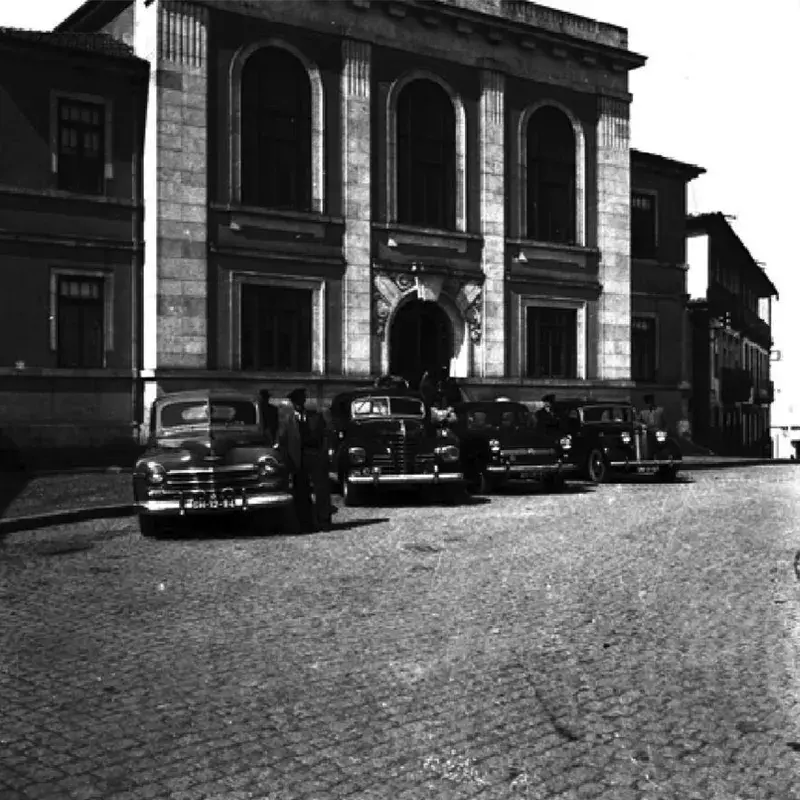
In 1936, he moved to Larinho, where his wife was staying temporarily. It was then that he decided to found a school in Moncorvo, which he named Colégio Campos Monteiro, in honour of the writer and journalist Campos Monteiro.
Colégio Campos Monteiro was the first private school in the Bragança district, attended by boys and girls.
Open-minded, Dr. Ramiro Salgado was aware that only education opened the way to freedom and allowed for multiple opportunities. He was well aware of the ancestral routine that governed the people of his land, where pauperism prevailed alongside a mentality moulded by tradition and conformism.
Armando Martins Janeira wrote:
Alone, with no help from anyone, he had the broad vision to build this great cultural work-a work of a private nature and of the greatest scope in our district and of the widest influence on the destiny of several generations.
And from this ignorant and hardy people, living meagrely off poor soil, ploughing their way up to the wild tops of the mountains, where rye sprouted from the rocks, we had to make a modern and happy people. It was necessary to open up the way for the children of the poor and tear them away from the inheritance of the hoe of their parents and grandparents.
The "modest College", as he liked to call it, "contributed to the education of thousands of young people and, at the same time, to the development of the region of Trás-os-Montes" (Dic. de Educadores Portugueses, dir. A. Nóvoa. Edi. ASA, 2003). Ramiro Salgado balanced his life and that of his family between Moncorvo, where he spent the week dedicated to the College, and Larinho, where at weekends he looked after the farms inherited by his wife. His way of being and his relationship with the population was very simple, and he endeavoured to help those who came to him, especially the most needy.
The Casa Grande facilities, particularly the wine and olive oil presses, were open to the community.
A restless and non-conformist spirit, Ramiro Salgado felt "at times an immense desire to escape and resume contact with centres of greater civilisation and culture, extending an activity that never slackened to other possibilities and perspectives". But in "remaining in these forgotten lands", he fulfilled the task of "making it easier for many people to earn their daily bread" (corresp. part. 1948) as a design, over almost four decades and in an unquestionably superior way, both in human and scientific terms. In Revista Colégio Campos Monteiro, Evocative Issue of the Commemoration of the Fiftieth Anniversary of the Foundation (1936)